
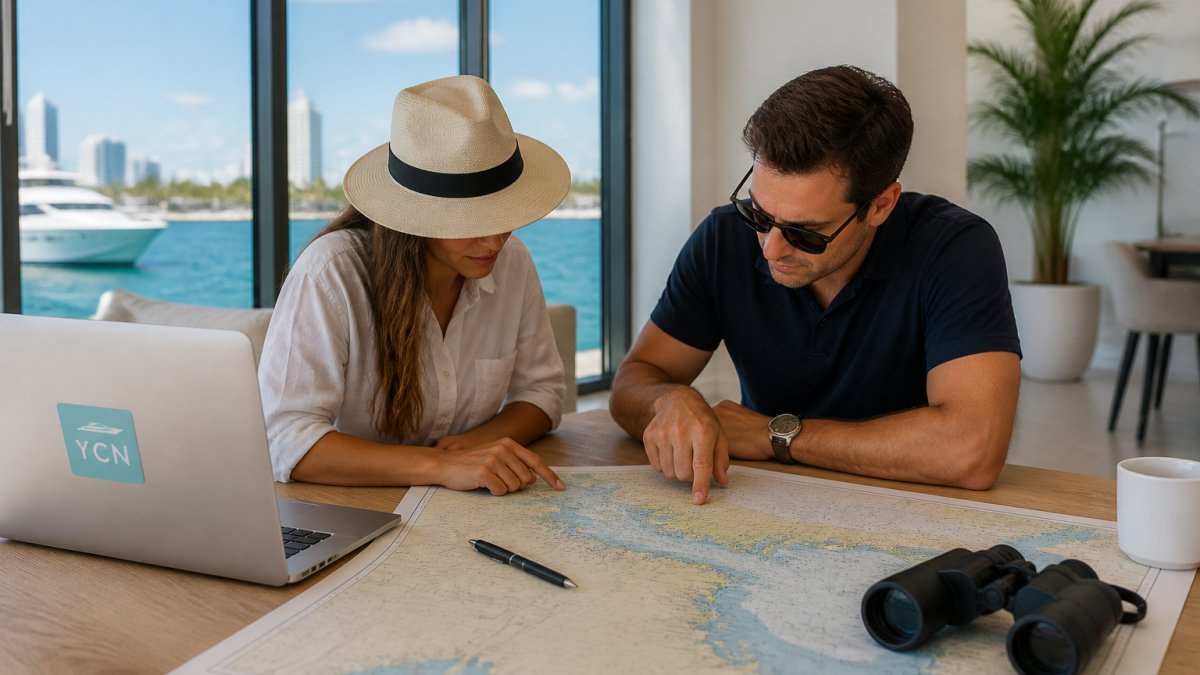
How to Sail from Miami to the Bahamas
Table of Contents
- Understanding the Miami to Bahamas Sailing Route
- How Long the Crossing Takes: Miami to Bimini Sailing Time
- Bahamas Boat Entry Requirements for U.S. Citizens
- Preparing Your Vessel and Crew
- Best Time to Sail and Weather Considerations
- Miami to Bahamas Sailboat Charter with Captain
- Navigation and Safety During Your Crossing
- Frequently Asked Questions
Last Updated: October 10, 2026
Understanding the Miami to Bahamas Sailing Route
The route from Miami to the Bahamas is one of the most accessible and rewarding sailing passages in the Atlantic.
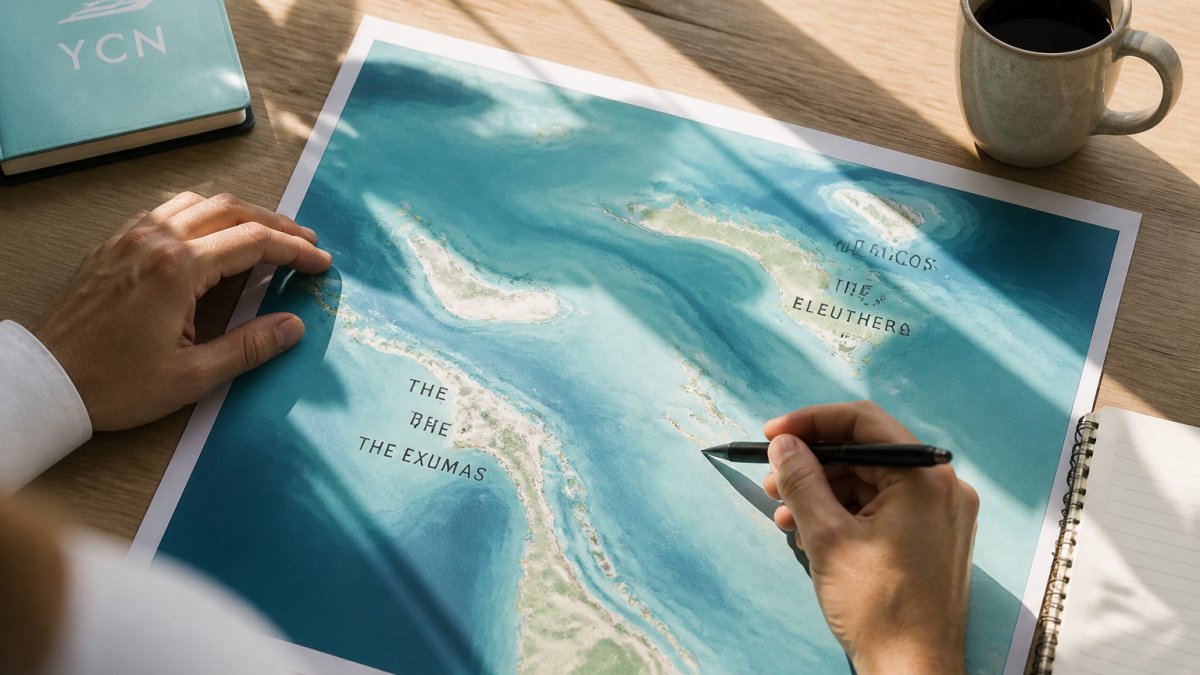
The straight-line distance from Miami to Bimini, the closest to Miami, is roughly 45 nautical miles. From Miami to other popular Bahamas destinations like Nassau or the Exuma Cays, distances range from 160 to over 200 nautical miles depending on your exact starting point and destination.
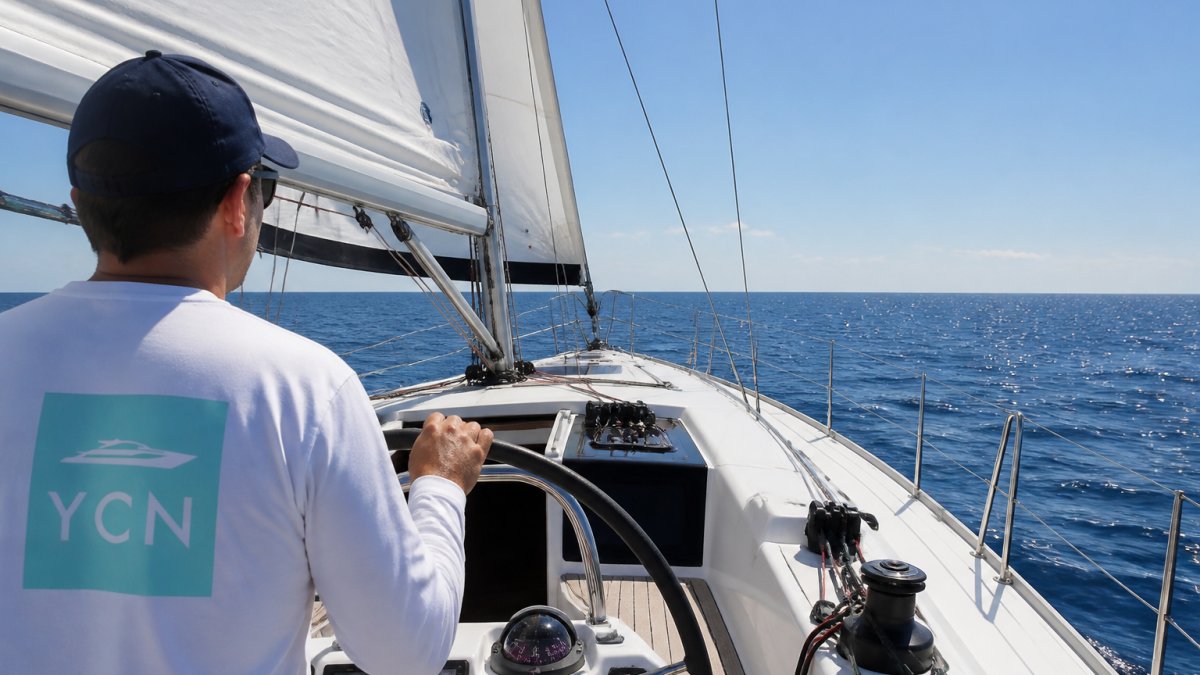
The route itself follows a southwest trajectory across the Gulf Stream. Water conditions vary significantly depending on the season and weather patterns. The Gulf Stream creates a northeasterly current that can affect your crossing time and fuel consumption if you're motoring.
Navigation is straightforward on this route. You have clear visual landmarks on both sides of the crossing, reliable GPS systems, and well-established waypoints used by thousands of boats annually.
When you're sailing how to sail from miami to the bahamas with YCN or another charter operator, your captain handles all navigation decisions. They know the seasonal hazards, the best entry points into different anchorages, and how to read the water conditions.
How Long the Crossing Takes: Miami to Bimini Sailing Time
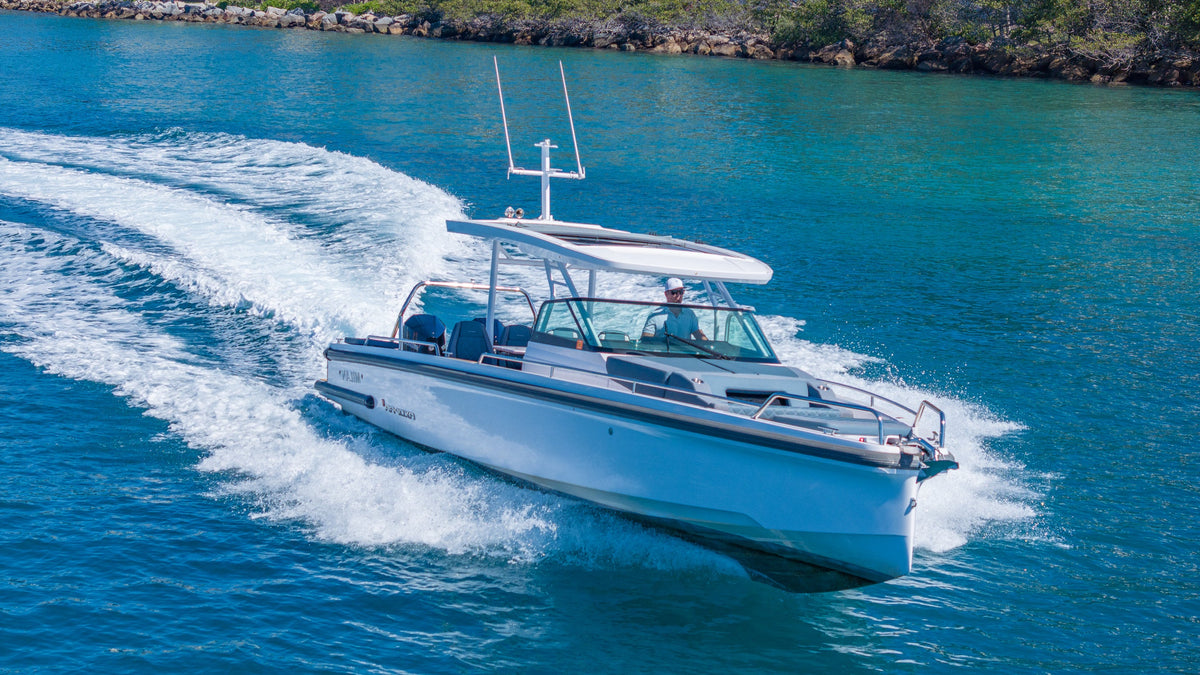
The actual sailing time depends on your vessel type, sea conditions, and whether you're under sail or motor. Most sailboats complete the crossing in 4 to 8 hours of actual travel time. Power catamarans, which are increasingly popular for Bahamas charters, typically make the crossing faster, often in 3 to 5 hours.
These timeframes assume reasonable weather conditions. Choppy seas or strong headwinds can extend your journey. Conversely, following seas and good wind can shorten it. The Gulf Stream current adds another variable. If you're crossing it at the right angle and time, the current can work in your favor, reducing your actual travel time.
Most captains plan the crossing to depart Miami early in the morning. This gives you the full day to complete the passage and have time to settle into your anchorage before dark. An early start also means you're more likely to encounter calmer morning conditions before afternoon wind builds.
For families or groups chartering with a professional captain, the crossing itself becomes part of the experience. You're not racing. The goal is a comfortable, scenic journey. Many charter boats include lunch service during the crossing, and passengers spend time on deck enjoying the open water before arriving in the Bahamas.
Bahamas Boat Entry Requirements for U.S. Citizens
U.S. citizens sailing from Miami to the Bahamas must comply with Bahamian entry requirements, even though the crossing is short. The Bahamas is a sovereign nation, and proper documentation is mandatory.
Required documentation:
- Valid U.S. passport for each crew member and passenger
- Vessel registration documents (Certificate of Documentation or state registration)
- Proof of vessel ownership or authorization to operate the boat
- A completed Bahamas Customs and Immigration Declaration Form (available online or on arrival)
When you arrive at your first port of entry in the Bahamas, you must clear customs and immigration before proceeding to other islands. Nassau, Freeport, and other major ports have official ports of entry with staffed customs facilities. Your captain handles most of this paperwork if you're chartering, but you'll still need to present your passport and complete the declaration.
There are no visa requirements for U.S. citizens visiting the Bahamas for tourism. You're permitted to stay up to eight weeks without a visa. Pets require specific health certificates and import permits, so leave them at home unless your charter specifically accommodates animals.
Vessel documentation is straightforward if you're chartering with YCN or another professional operator. The charter company maintains all required documentation for their fleet. Your responsibility is simply to have a valid passport and complete the entry forms.
Preparing Your Vessel and Crew
Before departing Miami for the Bahamas, your vessel needs a thorough systems check. Even a short crossing requires confidence in your boat's mechanical reliability, safety equipment, and navigation systems.
Essential pre-departure checks:
- Engine and fuel system in working order
- Fresh water tanks full
- Battery banks charged
- Navigation equipment tested (GPS, chart plotter, compass)
- VHF radio functional with proper channels programmed
- Safety equipment accessible (life jackets, flares, first aid kit, fire extinguishers)
- Weather forecast reviewed within 12 hours of departure
Your crew needs to understand basic responsibilities and safety protocols. Even experienced sailors benefit from reviewing procedures before departure. If anyone aboard is prone to seasickness, medication taken 30 minutes before departure is more effective than waiting until symptoms appear. Clear communication regarding physical readiness extends beyond the deck, as mastering scuba diving basics ensures that every member of your party remains prepared for the underwater environment awaiting you in the islands.
Provisions matter on a short crossing, but you don't need extensive supplies. Pack snacks, drinking water, and any medications crew members require. Most charter boats include basic provisions and galley supplies. If you're chartering with YCN, your captain and any included crew handle all provisioning and preparation.
The crossing itself is generally calm, but sea conditions can change. Ensure everyone knows where safety equipment is stored and how to use it. A simple safety briefing, covering life jacket locations, emergency procedures, and communication protocols, takes 10 minutes and provides peace of mind.
Best Time to Sail and Weather Considerations
The best time to sail from Miami to the Bahamas depends on your tolerance for heat, your schedule, and what weather patterns you want to avoid. Each season brings different conditions.
Peak season (November through April) offers the most reliable weather. If you're booking a yacht charter with YCN or another operator, expect higher prices and less availability during these months.
Summer (May through October) brings heat, humidity, and the Atlantic hurricane season. However, many experienced sailors prefer summer for the solitude and lower charter costs. You need to monitor weather forecasts carefully and be prepared to delay your crossing if storms approach.
Shoulder seasons (April-May and September-October) offer a middle ground. Weather is generally favorable, but you're avoiding peak-season crowds and pricing. These are excellent times for how to sail from miami to the bahamas if your schedule allows flexibility.
Wind patterns matter significantly. The prevailing winds from the east and northeast make the Miami-to-Bahamas crossing relatively straightforward. You're generally sailing with the wind or reaching across it, not beating into strong headwinds. This is one reason the route is so popular.
Check weather forecasts from the National Weather Service or marine forecasting services within 24 hours of your planned departure. Sudden squalls can develop, but they typically pass quickly. Sustained strong winds or rough seas warrant delaying your crossing.
Miami to Bahamas Sailboat Charter with Captain
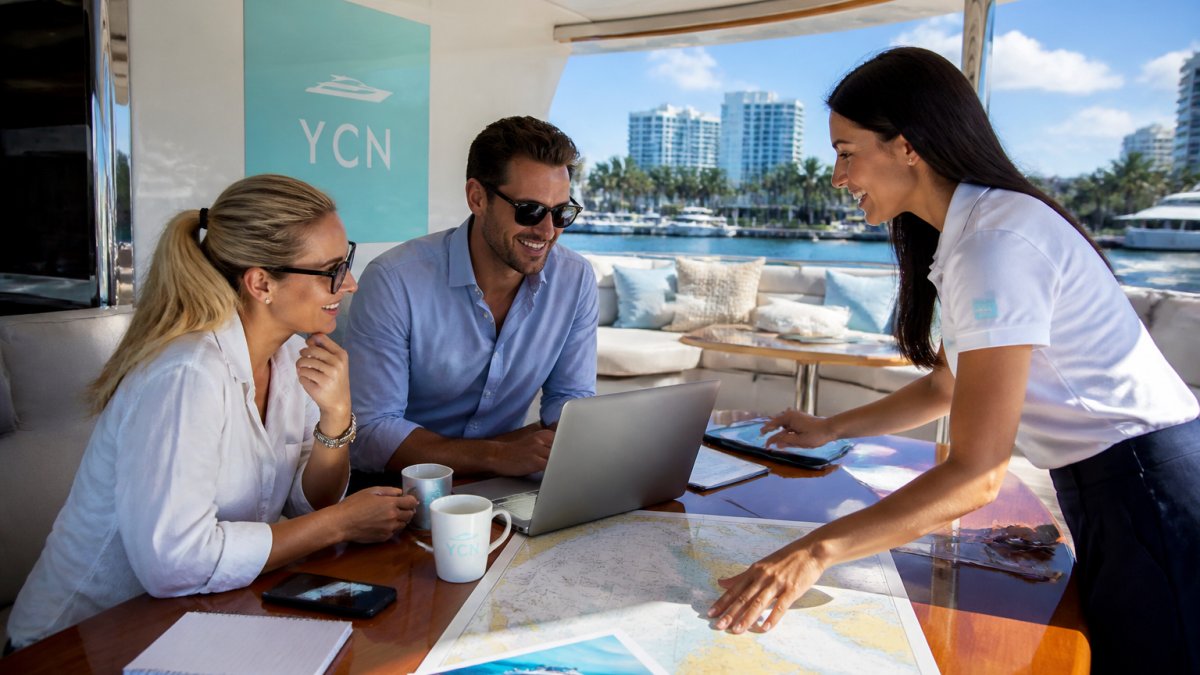
Chartering a sailboat from Miami with a professional captain removes the navigation burden and lets you focus on enjoying the experience. A captain brings expertise, safety knowledge, and local familiarity that transforms the crossing from a logistics challenge into a vacation day.
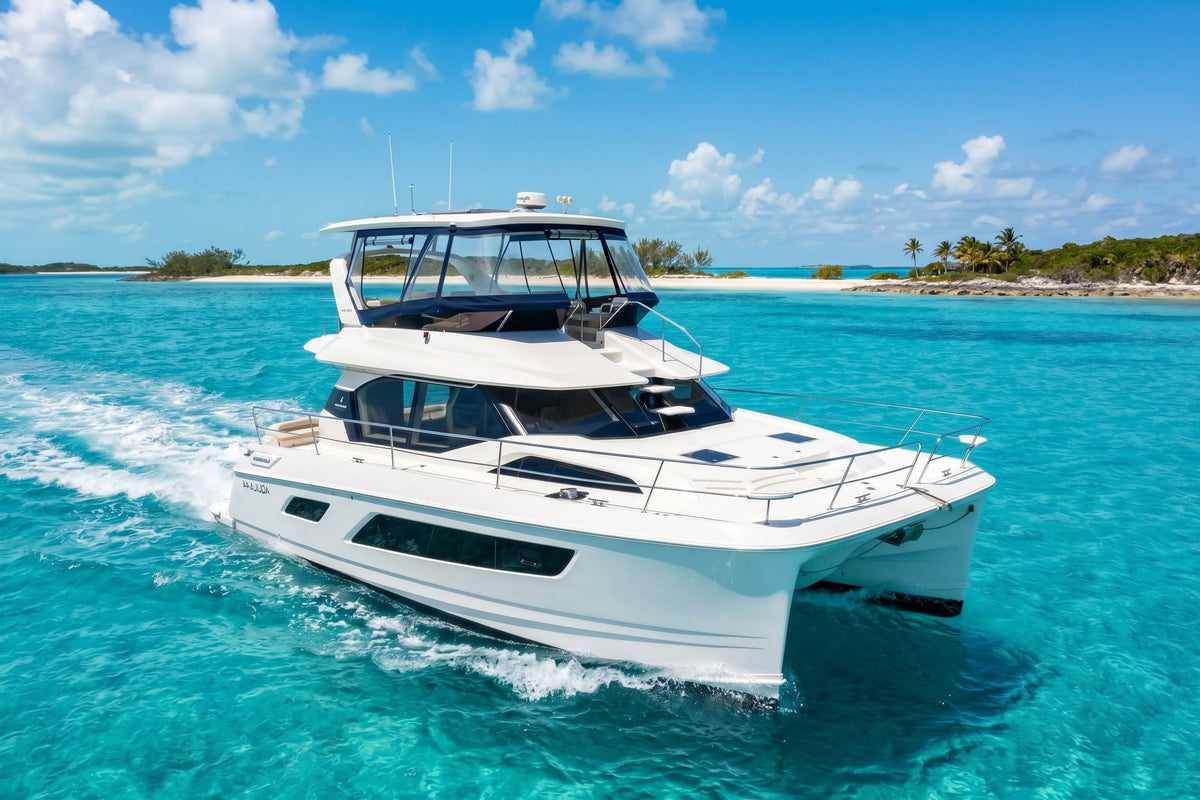
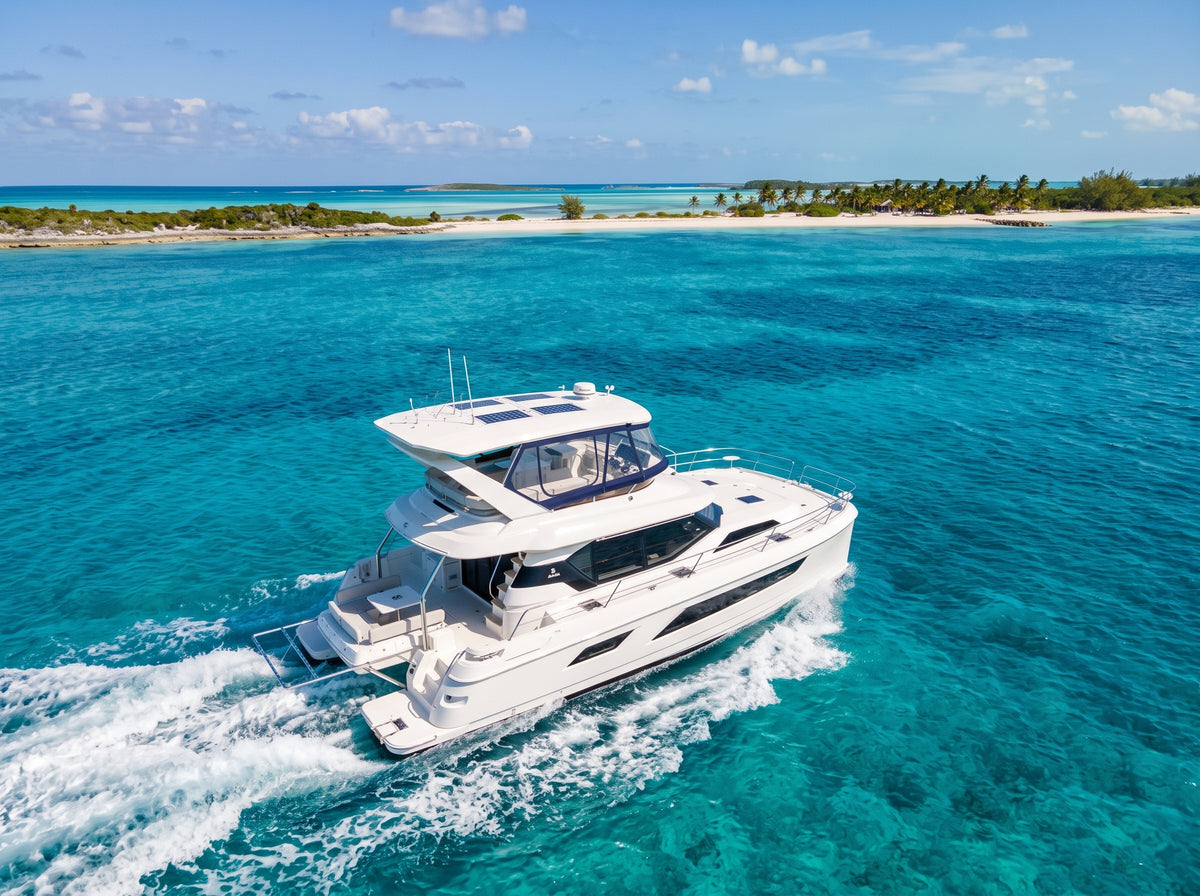
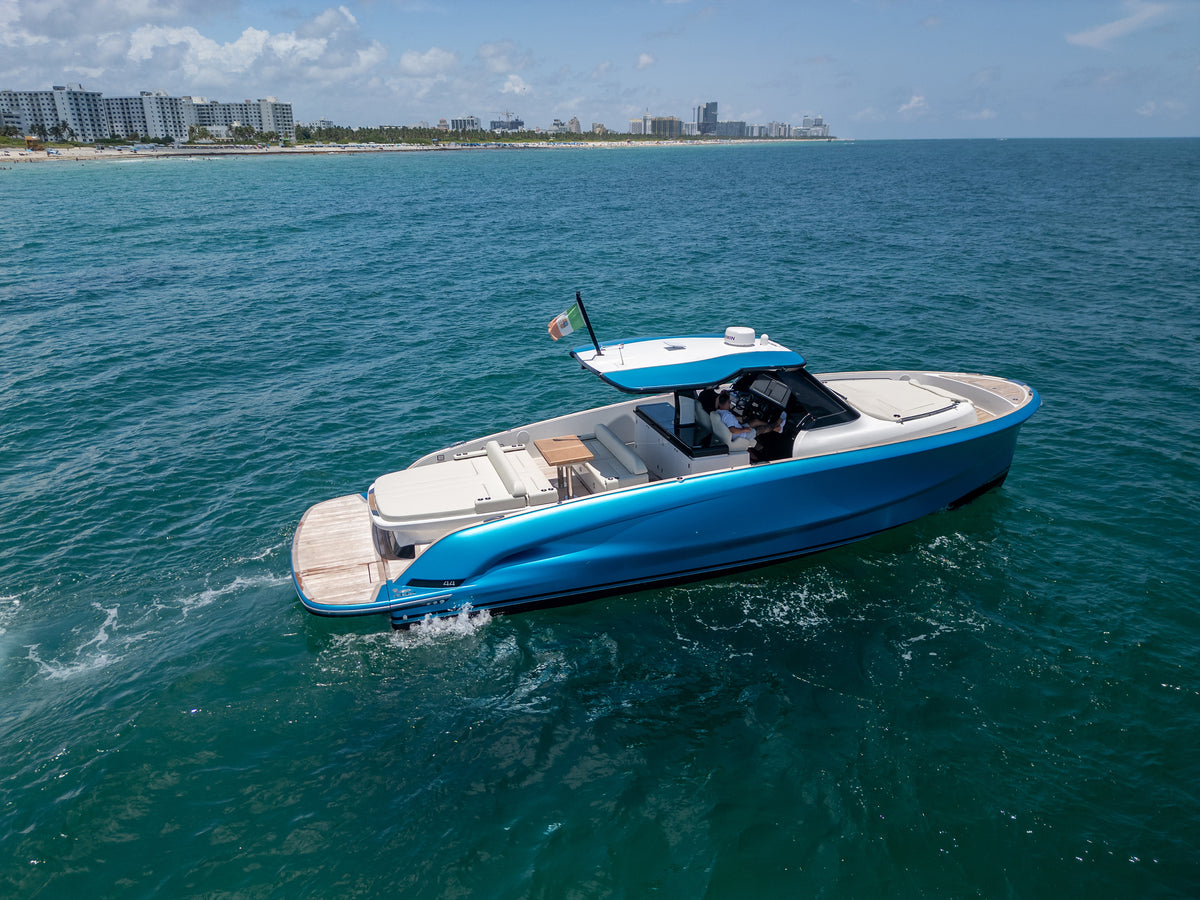
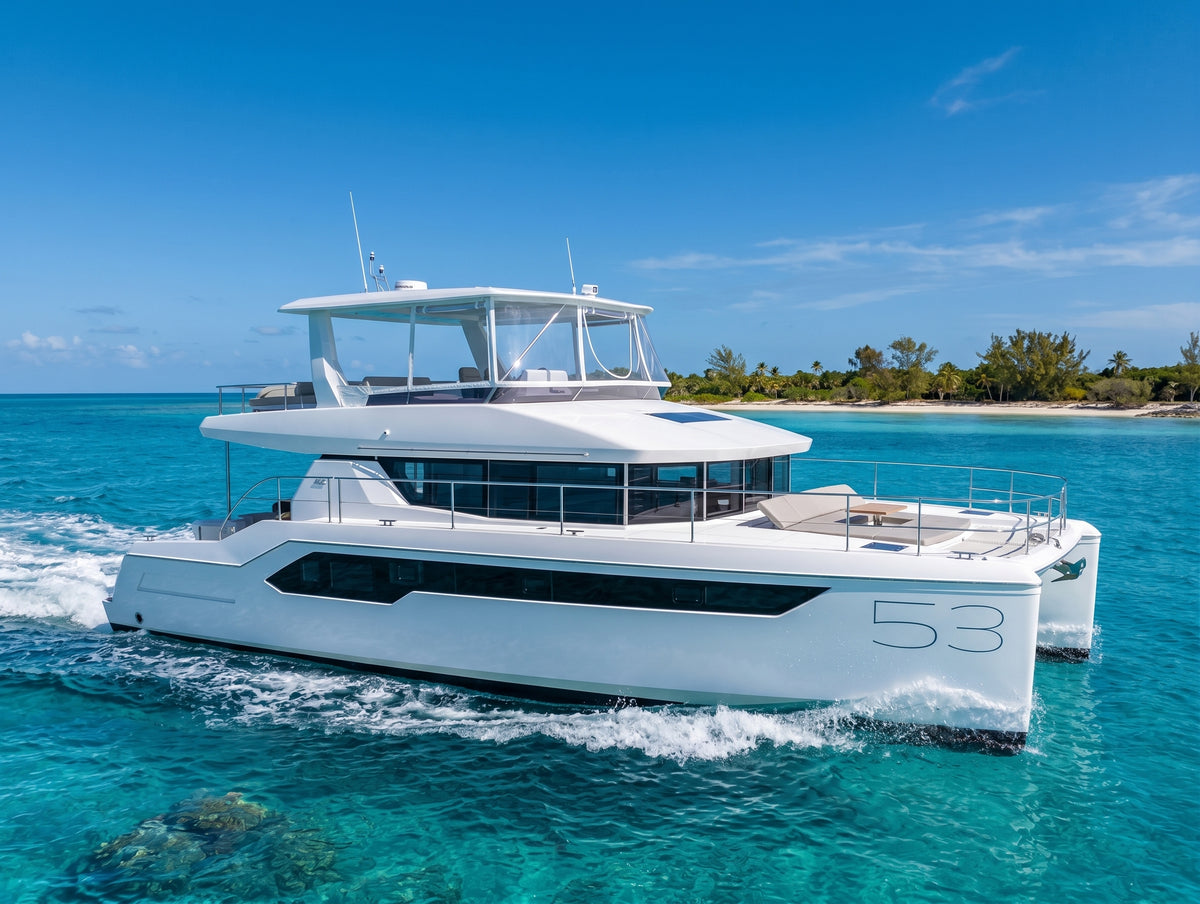
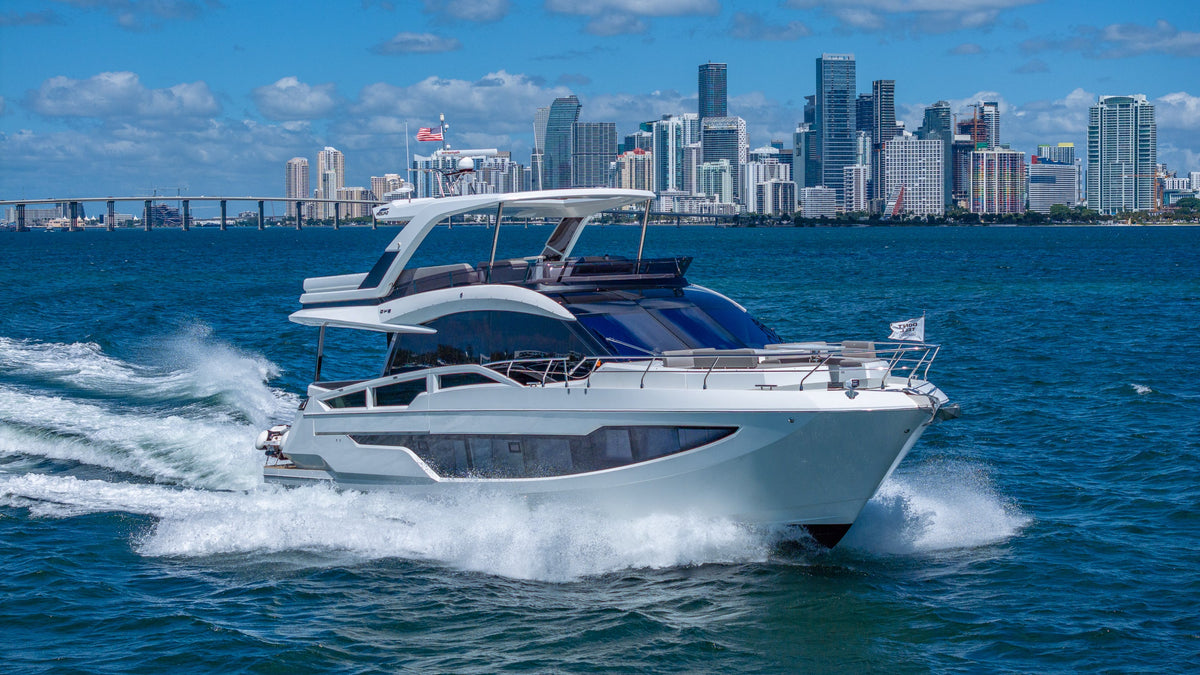
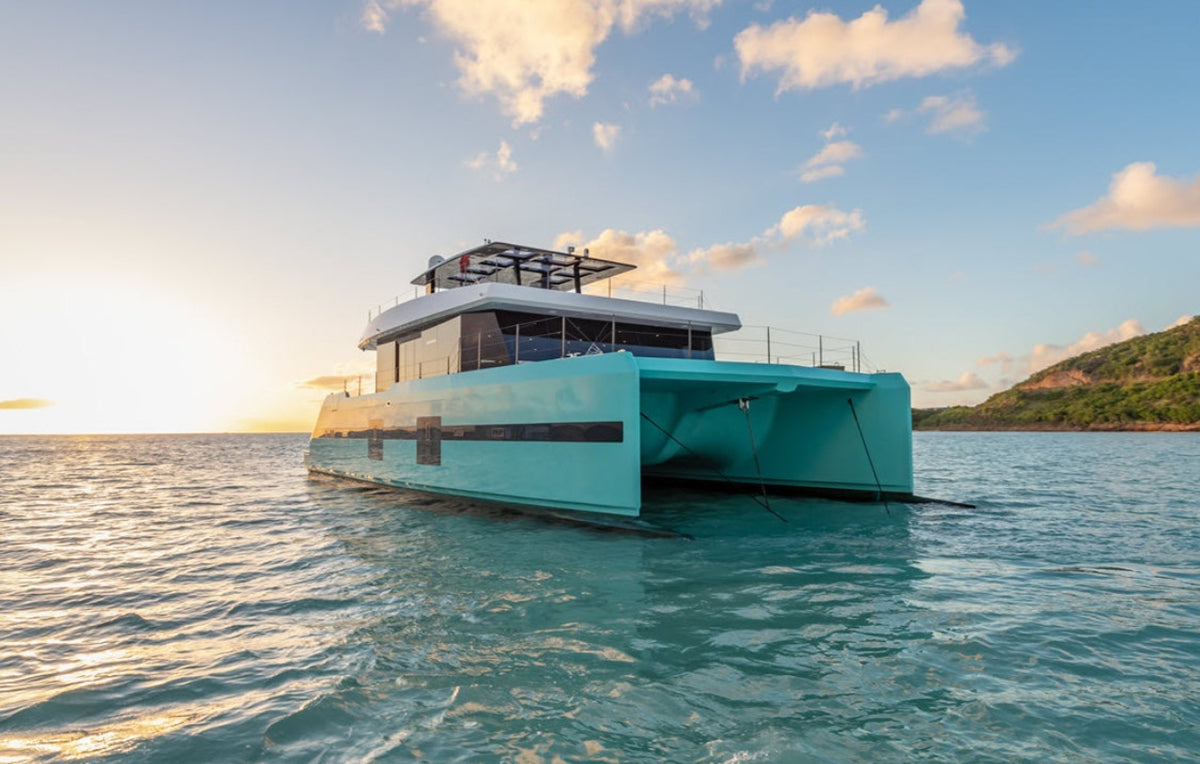
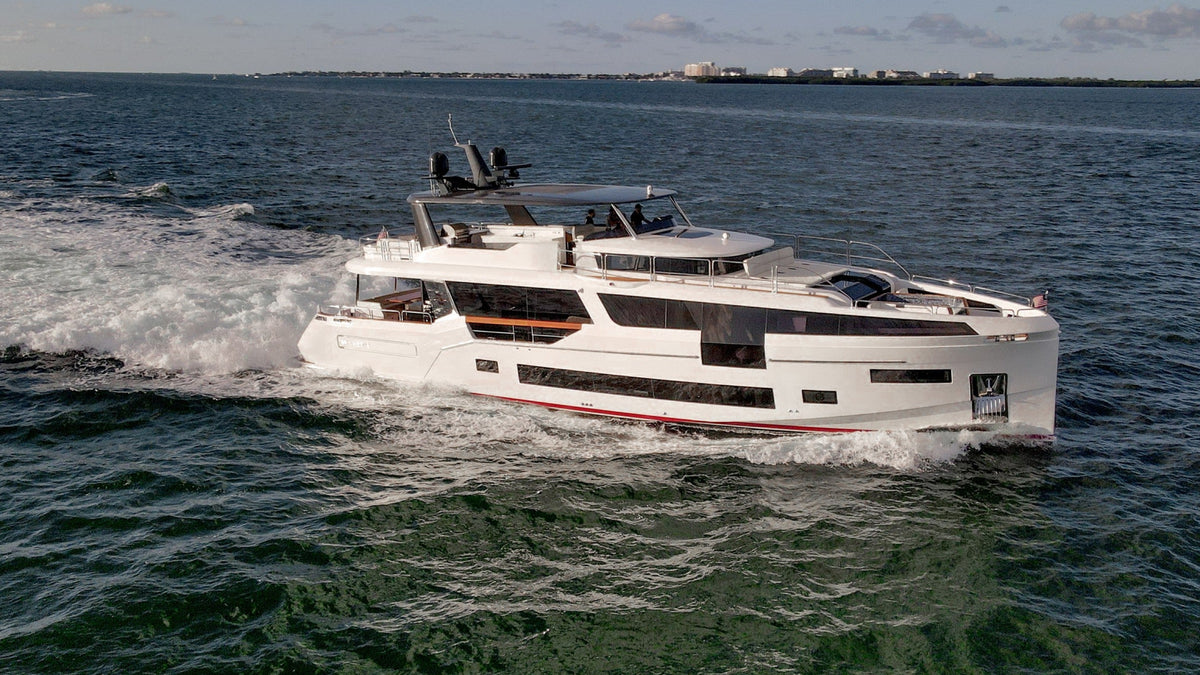
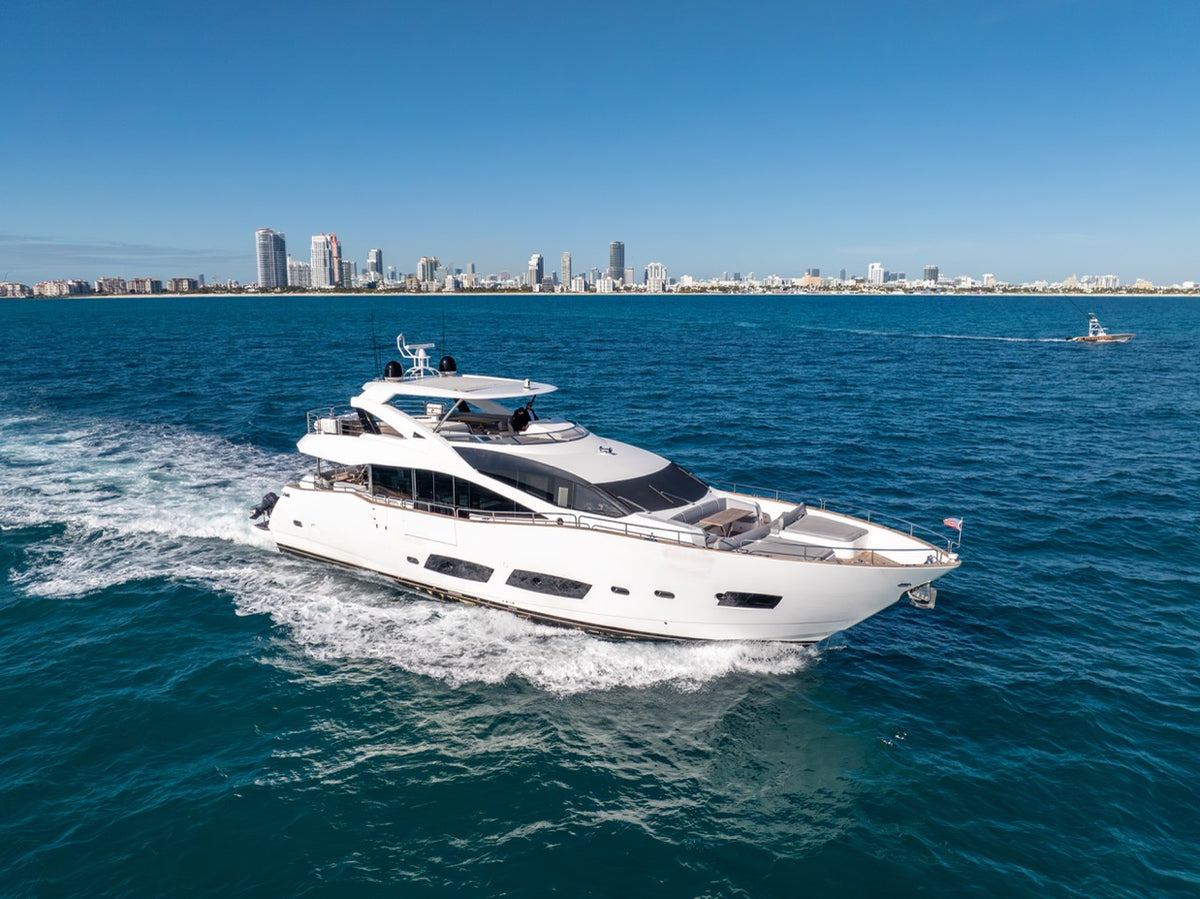
When you book how to sail from miami to the bahamas through YCN, you're selecting from a curated fleet of well-maintained vessels. The 44ft Aquila power catamaran Let It Be 3 is based in Nassau and offers exceptional stability for the crossing.

The captain's responsibilities include route planning, navigation, weather monitoring, and safe boat handling. They manage the crossing timing to optimize conditions and ensure you arrive at your destination anchorage with daylight remaining. Professional captains also know the best protected anchorages, the clearest snorkeling sites, and the rhythm of Bahamas tides and currents.
Crew members, if included in your charter, handle galley services, boat maintenance, and passenger comfort. This setup lets you relax, enjoy meals, and experience the Bahamas without worrying about the technical aspects of sailing.
Charter Type |
Vessel |
Capacity |
Best For |
|---|---|---|---|
Power Catamaran |
Let It Be 3 (44ft Aquila) |
Up to 8 guests |
Smooth ride, families, sandbar stops |
Sailing Catamaran |
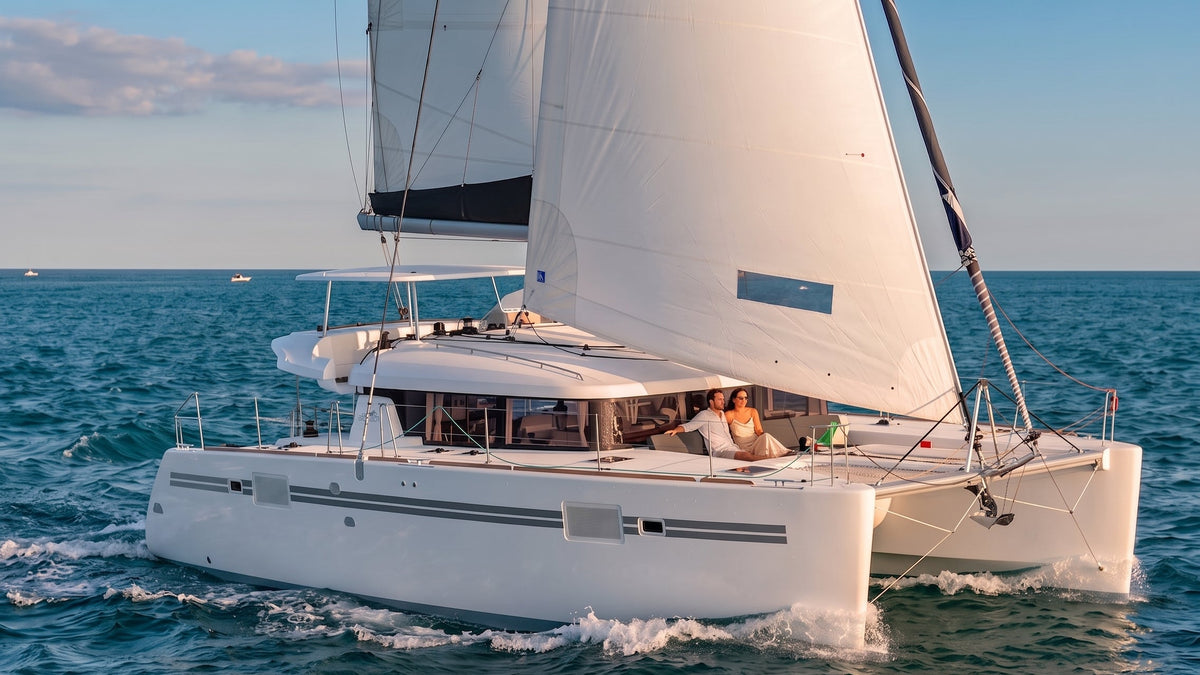
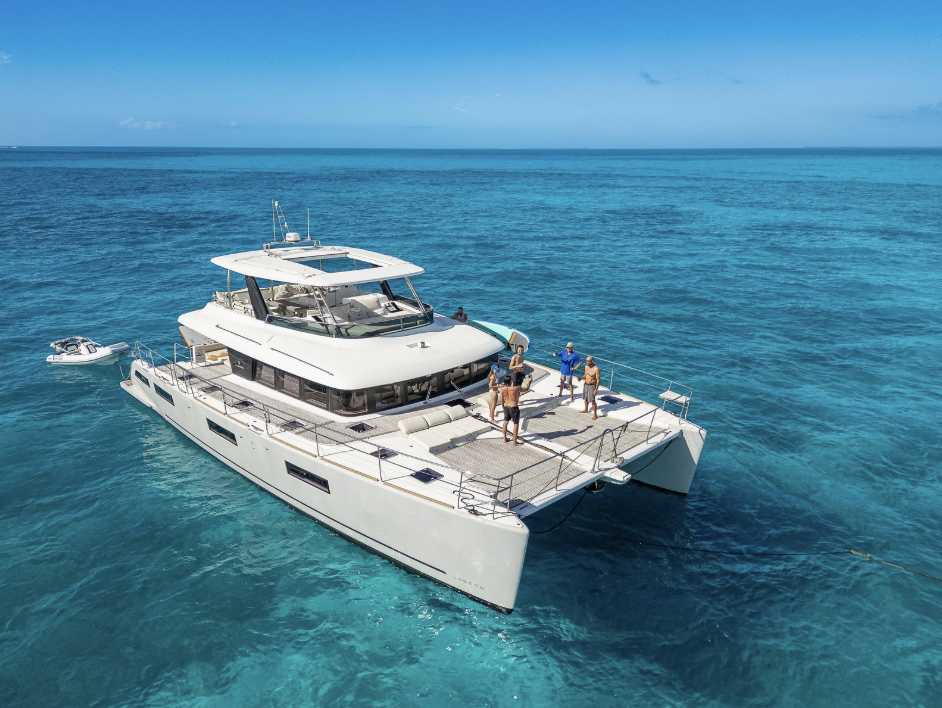
Somewhere (45ft Lagoon) |
Up to 6 guests |
Sailing experience, groups, snorkeling |
Motor Yacht |
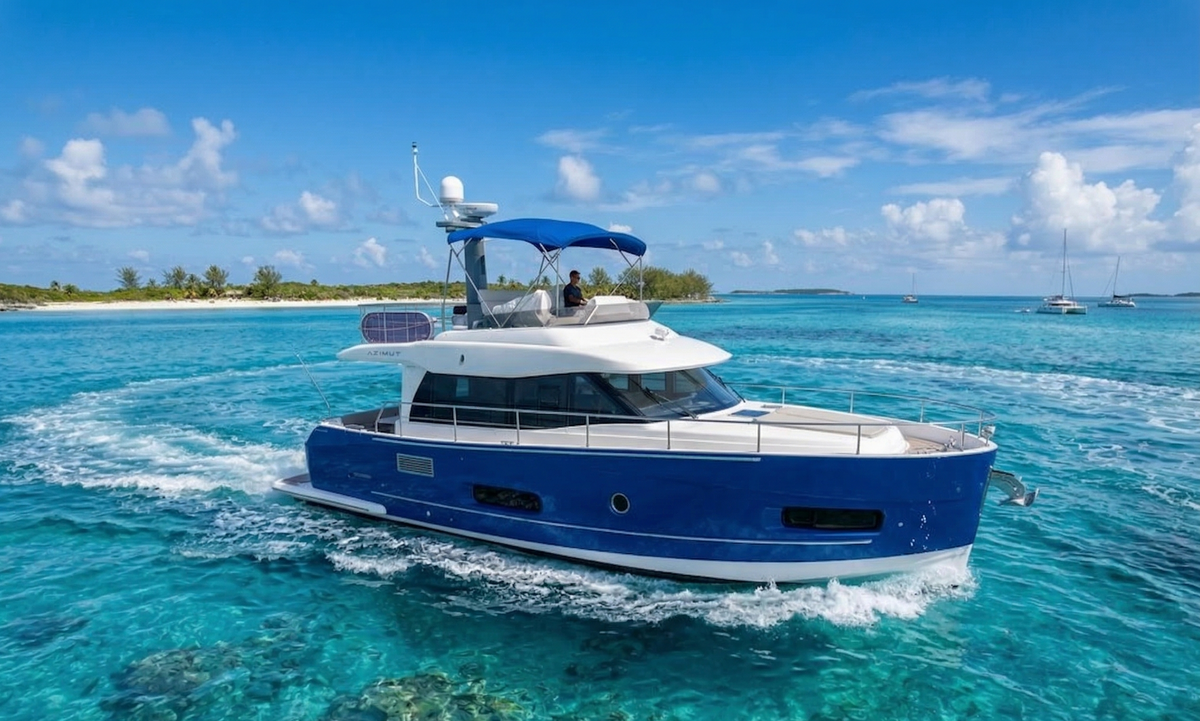
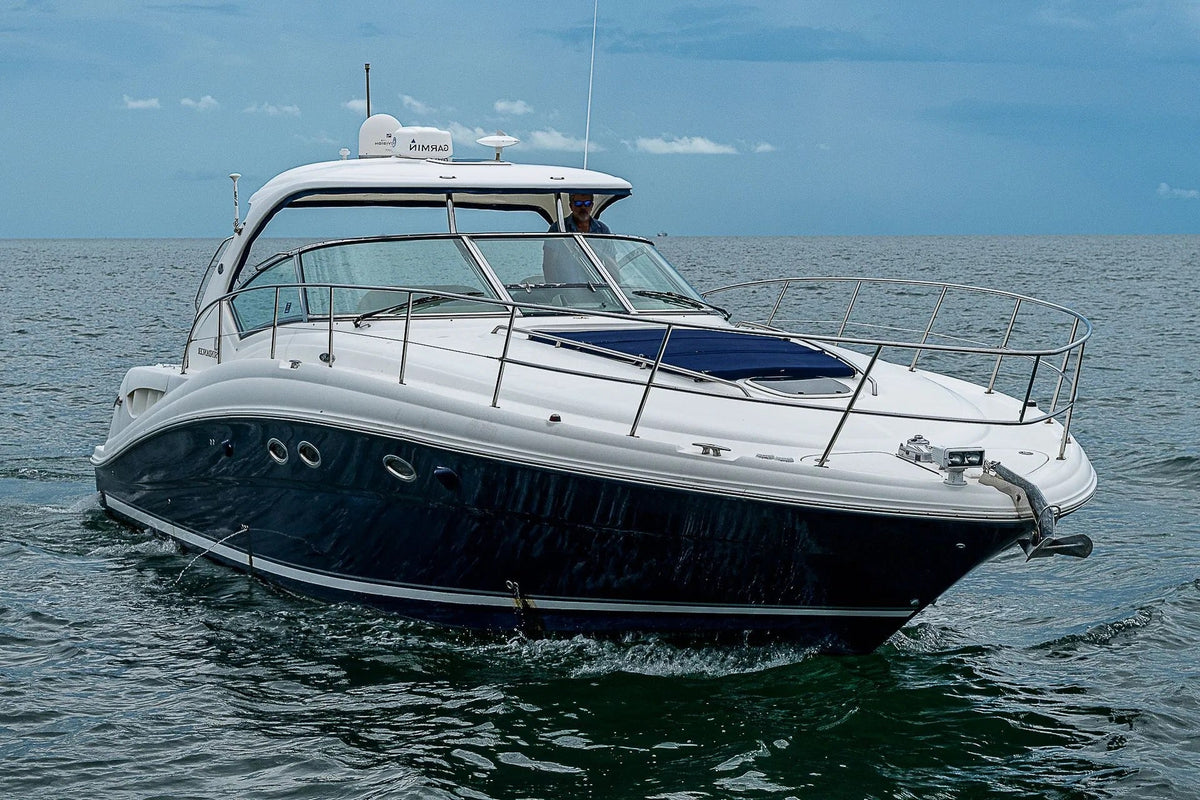
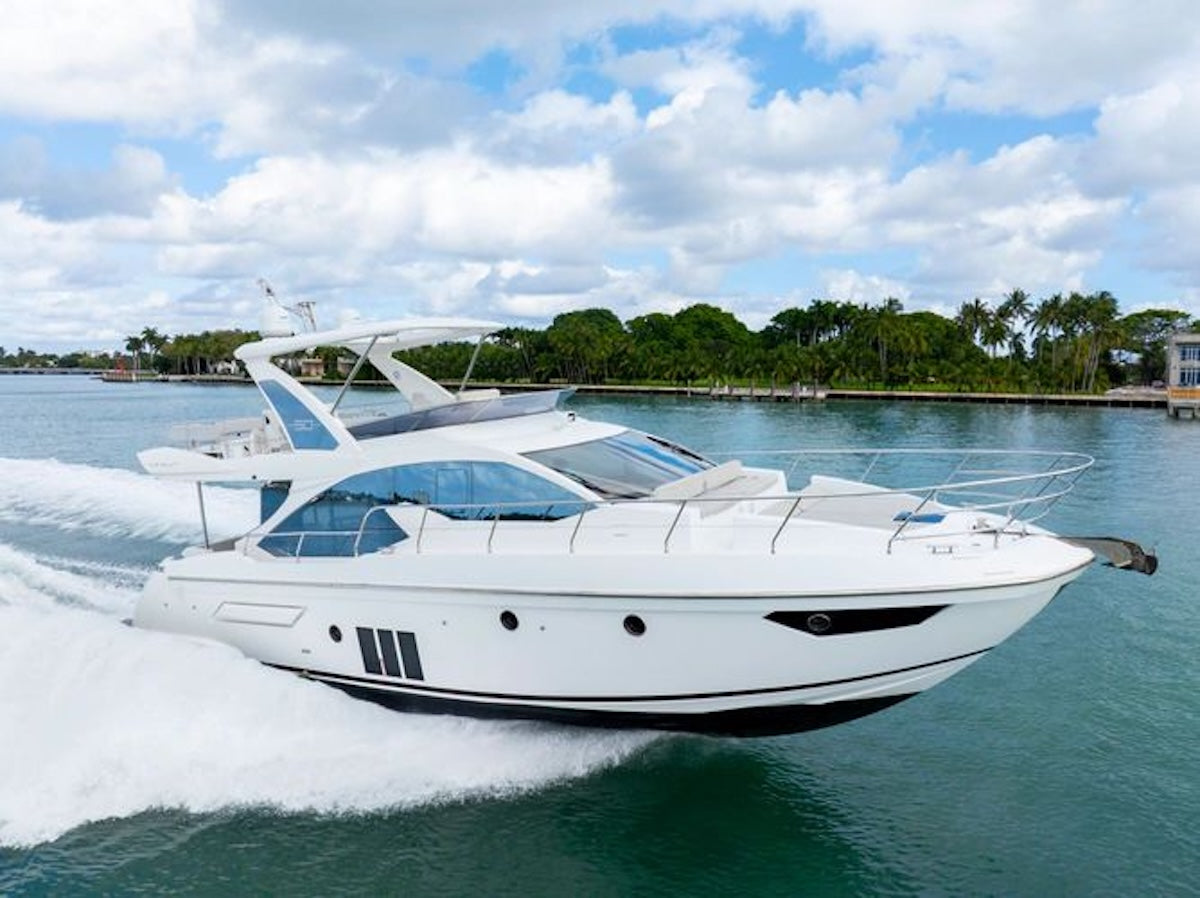
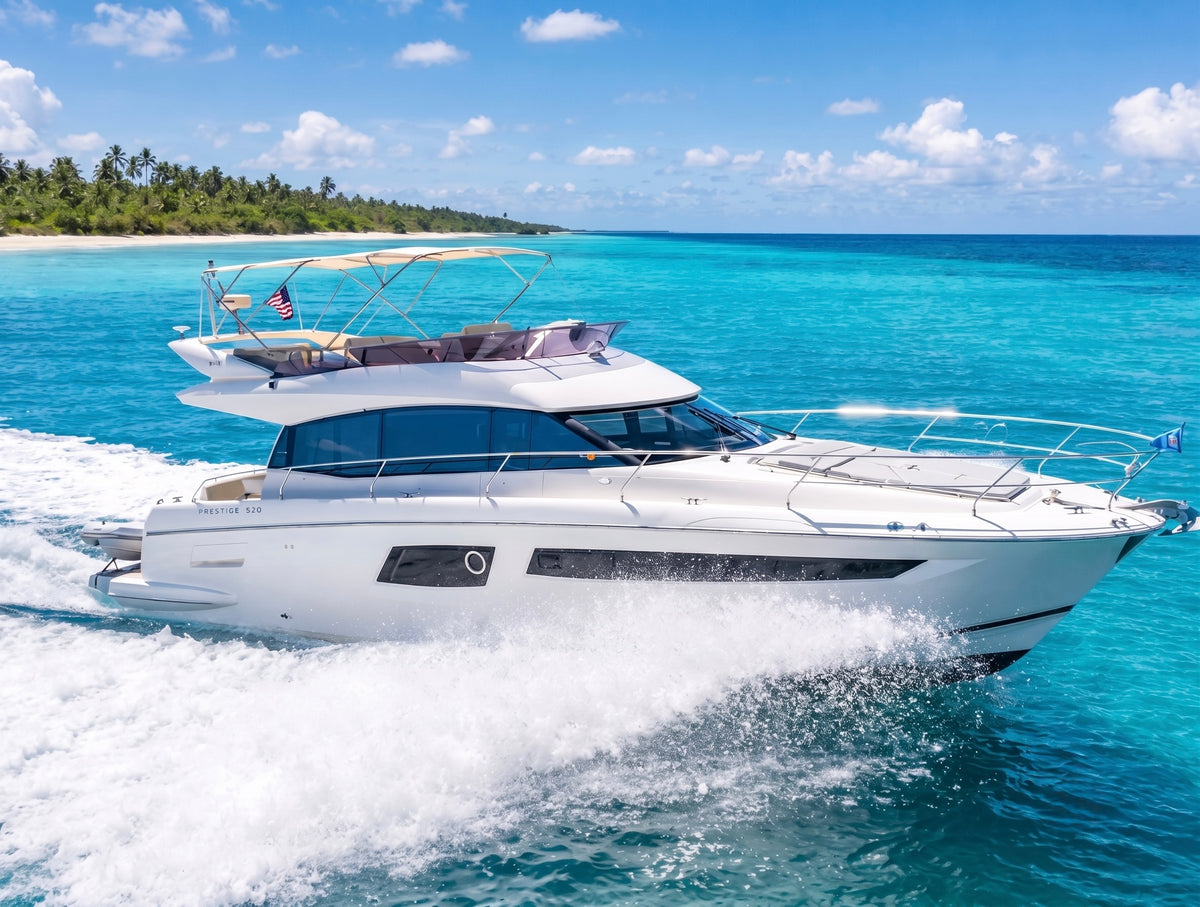
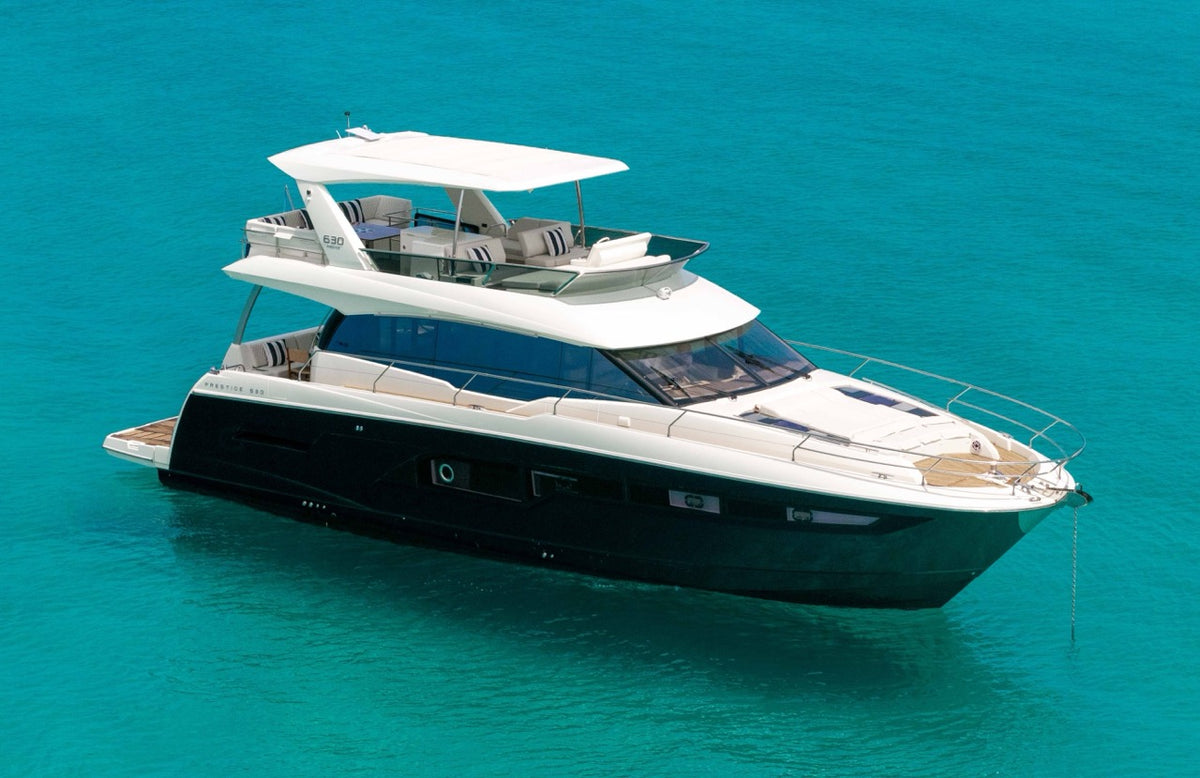
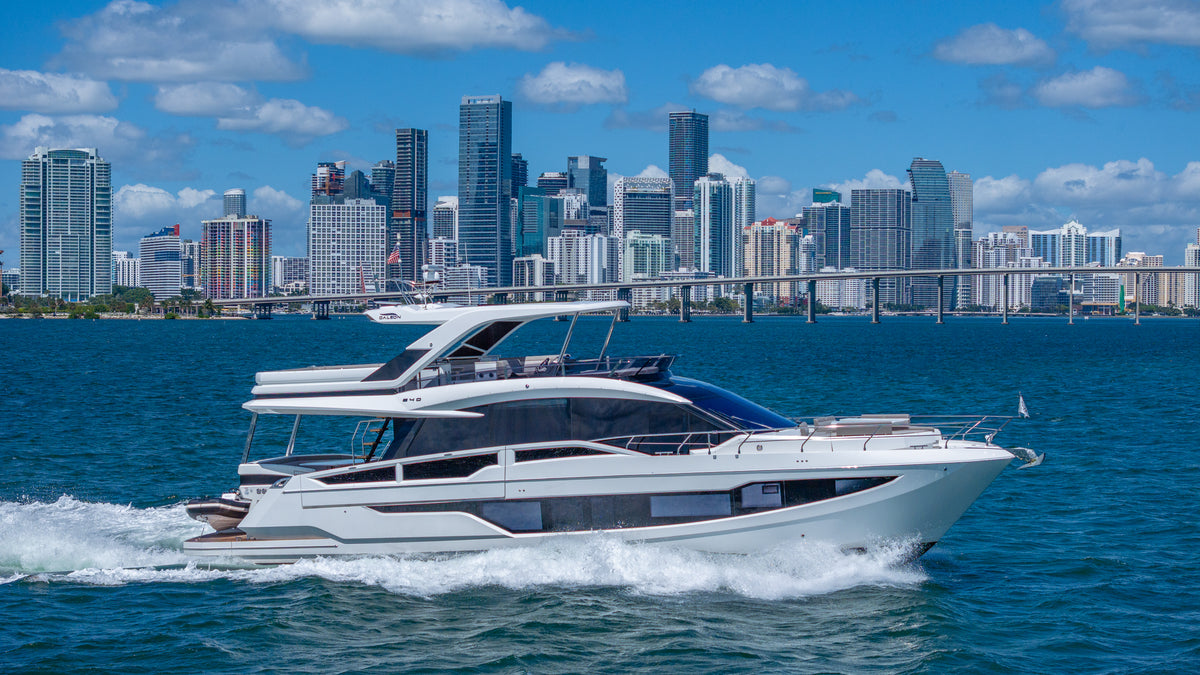
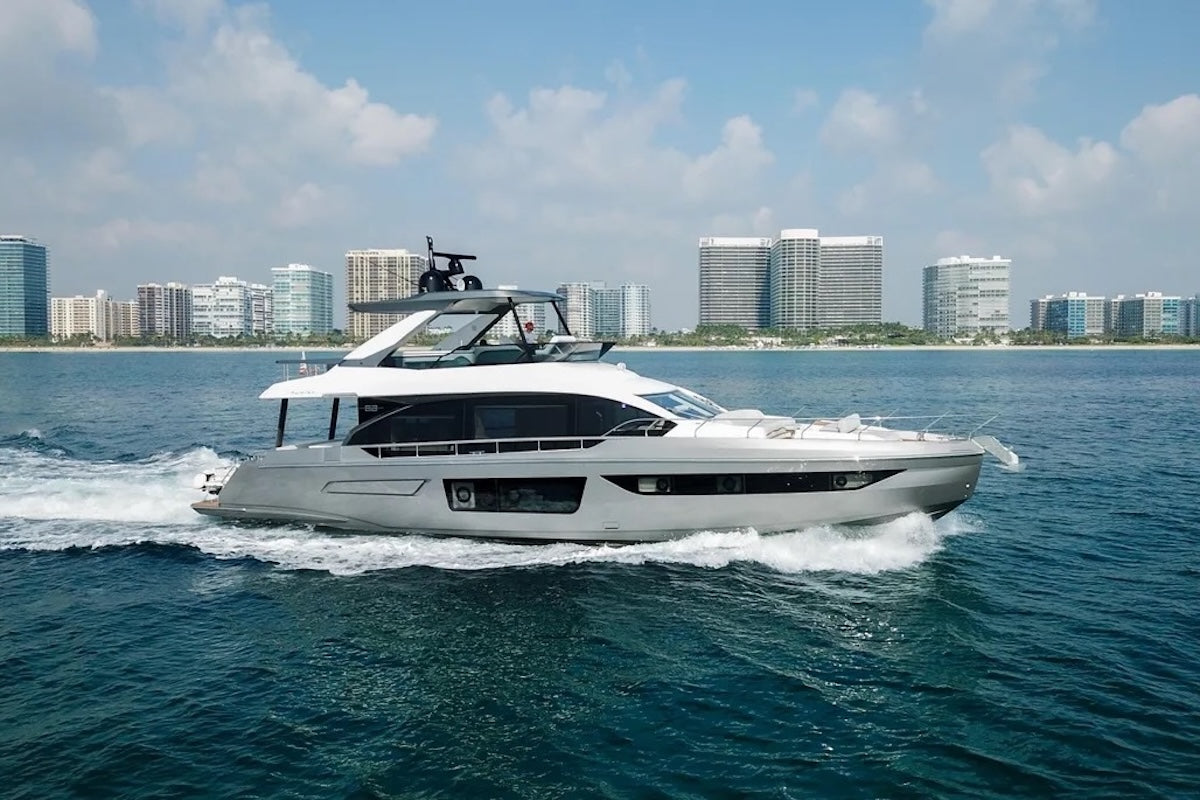
Molto Piaciuto (52ft Prestige) |
Up to 6 guests |
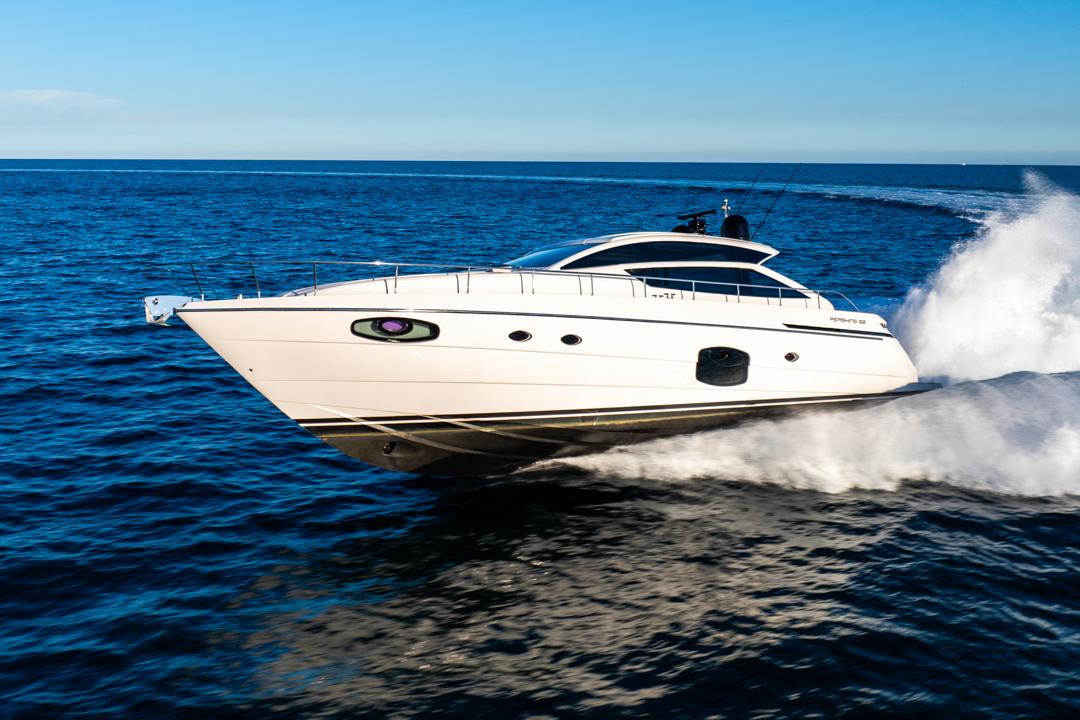
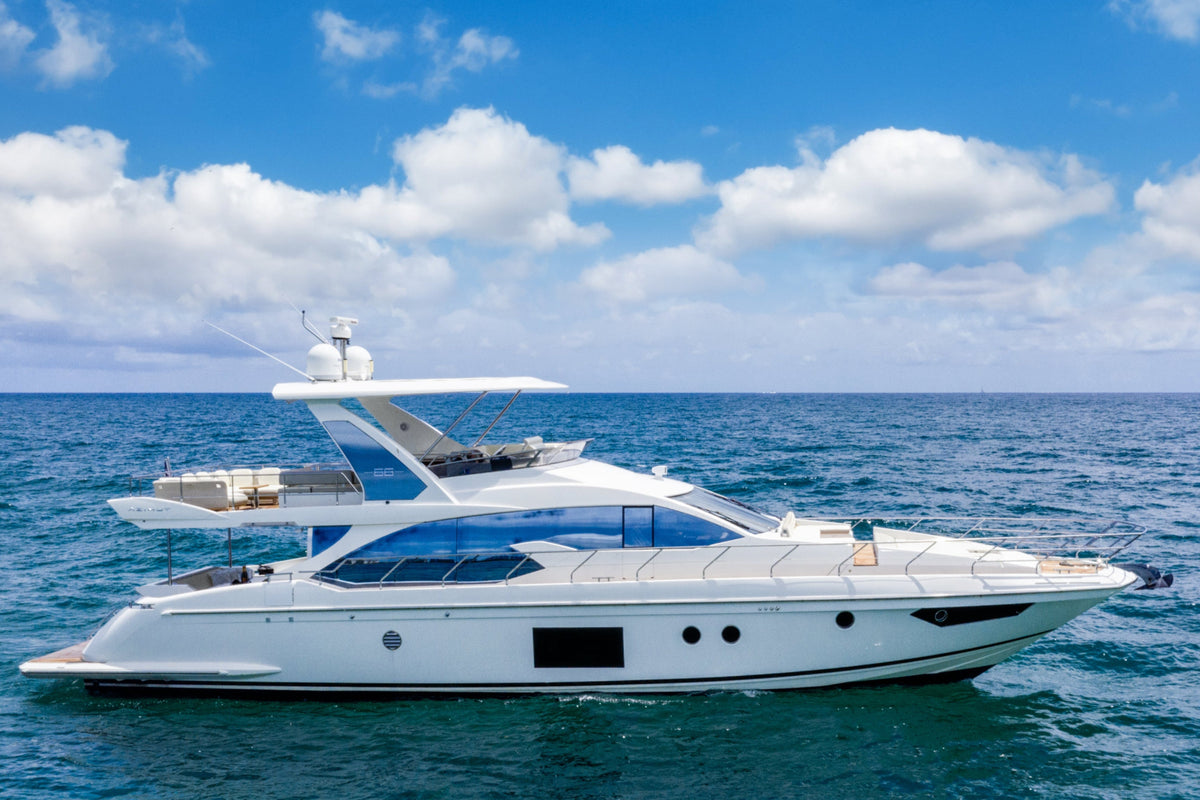
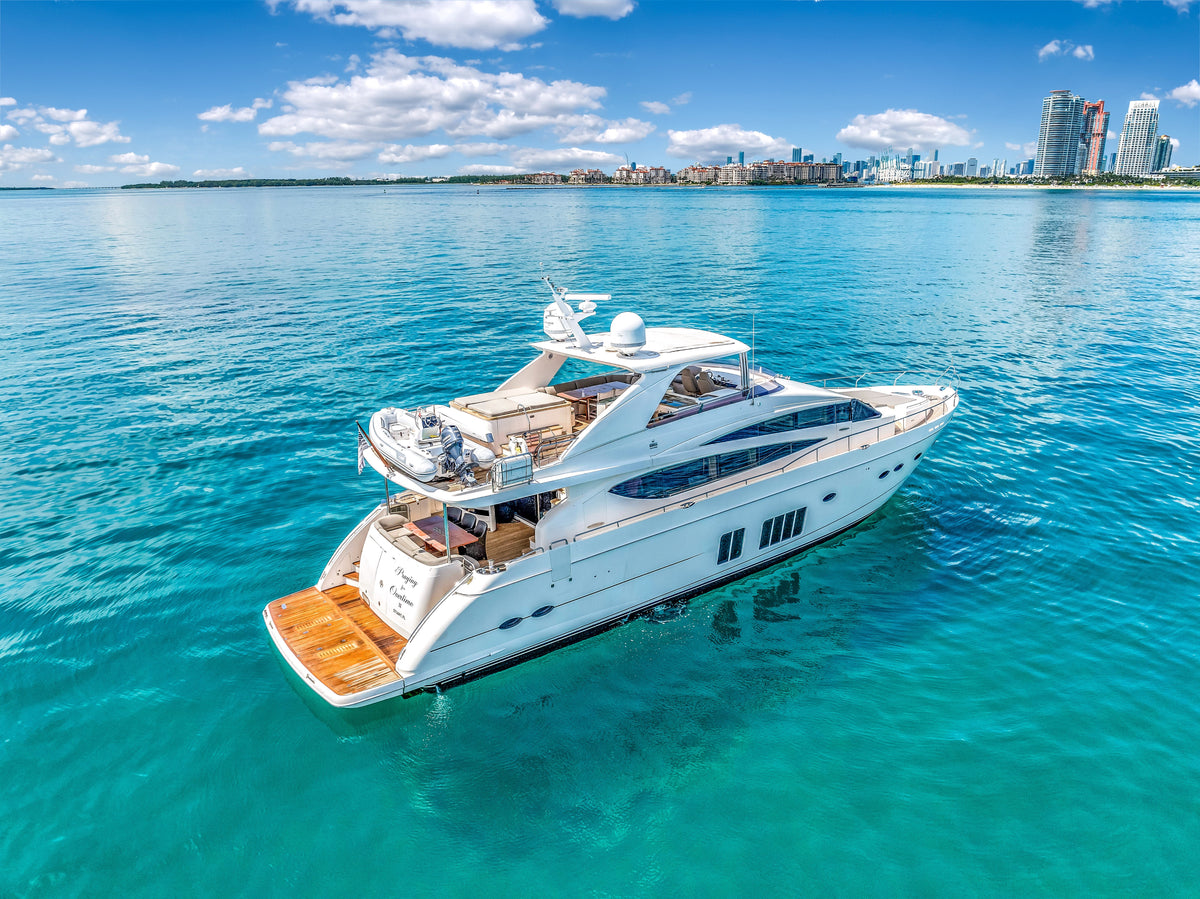
Luxury, speed, Miami departure |
Pricing for sailboat charters with captain varies by season, vessel, and duration. Let It Be 3 starts at $3,530 per day. Molto Piaciuto is available from $2,240 per day. These prices include the captain and basic crew. Additional costs, fuel surcharge (APA), gratuities, and meals beyond what's included, are transparent upfront when you book with YCN.
Navigation and Safety During Your Crossing
Safe navigation on the Miami-to-Bahamas route relies on proper planning, current technology, and sound decision-making. Even with GPS and modern electronics, traditional navigation skills matter.
Navigation essentials:
- Chart plotter loaded with current Bahamas charts
- GPS with waypoints programmed for your destination
- Backup compass for reference
- VHF radio monitoring weather and traffic
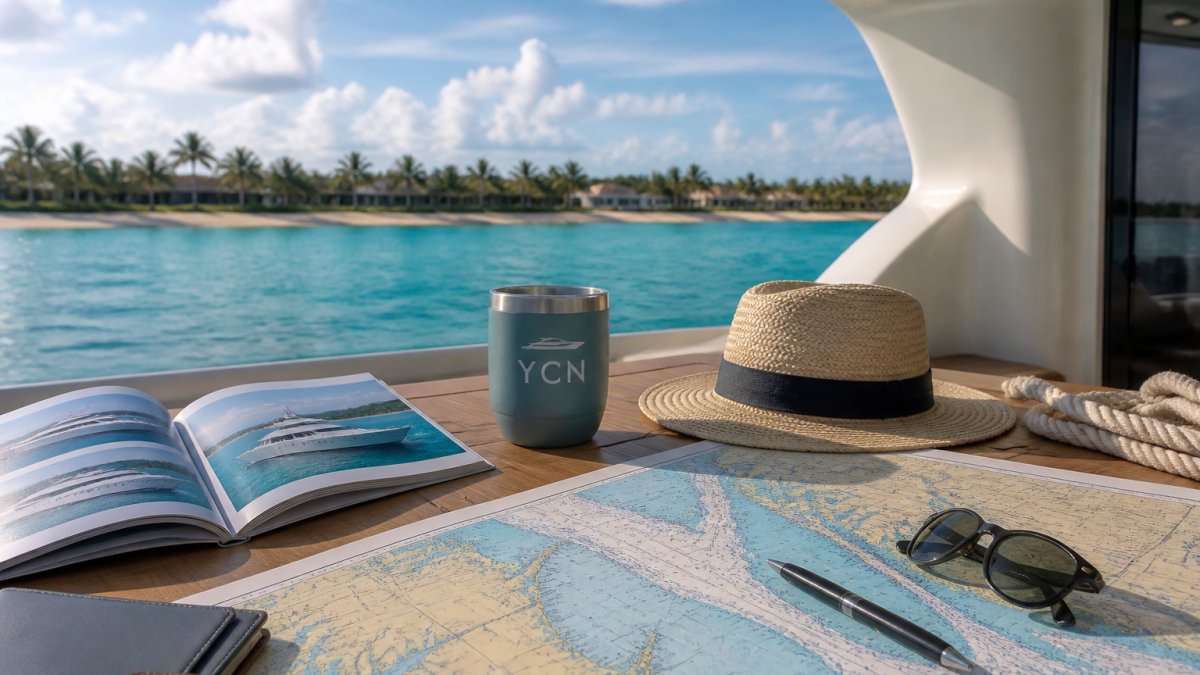
- Paper charts as backup (electronics fail)
- Awareness of shallow banks and coral reefs
The Bahamas Bank presents unique navigation challenges because much of it is shallow water with coral heads and sandbars. Modern chart plotters include detailed bathymetry (depth data), but visual confirmation matters.
Safety equipment must be accessible and crew must know its location. Life jackets, flares, first aid kit, fire extinguishers, and an EPIRB (Emergency Position Indicating Radio Beacon) are standard on charter vessels.
Communication is critical. Monitor VHF Channel 16 continuously during your crossing. This is the emergency and hailing channel. Many boats transit this route daily, and radio traffic helps you stay aware of other vessels and developing weather.
If weather deteriorates during your crossing, you have options. You can return to Miami, seek shelter at an intermediate anchorage, or slow your boat and ride out the conditions.
When you charter how to sail from miami to the bahamas with YCN, your captain and crew manage all navigation decisions and safety protocols. You're free to enjoy the crossing knowing experienced professionals are handling the technical aspects.
Sailing from Miami to the Bahamas is achievable for experienced sailors and ideal for those chartering with a professional captain. The crossing combines manageable distance, straightforward navigation, and access to world-class anchorages and snorkeling sites.
Frequently Asked Questions
How far is it to sail from Miami to the Bahamas?
The distance from Miami to the Bahamas varies by destination. The crossing to Bimini is approximately 45 nautical miles, while runs to Nassau measure around 160 nautical miles. The North of Exuma Cays lie roughly 196 nautical miles southeast. Distance depends on your exact starting point in Miami and your destination within the Bahamas. Most day charters from Miami reach popular Bahamas anchorages comfortably within these ranges.
Can you sail from Miami to the Bahamas in one day?
Yes, you can complete the sail from Miami to the Bahamas in one day. The 45-nautical-mile crossing to Bimini typically takes 6 to 10 hours depending on wind conditions and your vessel's speed. Many sailors depart early morning and arrive in the afternoon, making it feasible for a full day's charter. Shorter runs to Bimini can be completed even faster. However, weather and sea state always influence actual transit time.
What documents do you need to sail from Miami to the Bahamas?
U.S. citizens need a valid passport or passport card to enter the Bahamas. Your vessel must display valid registration and documentation. Carry proof of citizenship, vaccination records if required, and any customs forms. The Bahamas may require a cruising permit or tourist card depending on your length of stay. Before departure, check current Bahamian entry requirements with the Bahamas Ministry of Tourism or your charter company, as regulations change periodically.
What is the best time of year to sail from Miami to the Bahamas?
November through April offers the most favorable sailing conditions from Miami to the Bahamas. During these months, trade winds are steady, temperatures are mild, and hurricane season has ended. May through October brings warmer water but increased storm risk and higher humidity. Winter weather can produce rough seas, so spring (March-April) and fall (October-November) represent ideal windows when conditions are calm and predictable. Always check weather forecasts before any crossing.























Leave a comment
This site is protected by hCaptcha and the hCaptcha Privacy Policy and Terms of Service apply.